Nyau masks and rituals - The Secret spirit society of the Chewa people of Malawi.
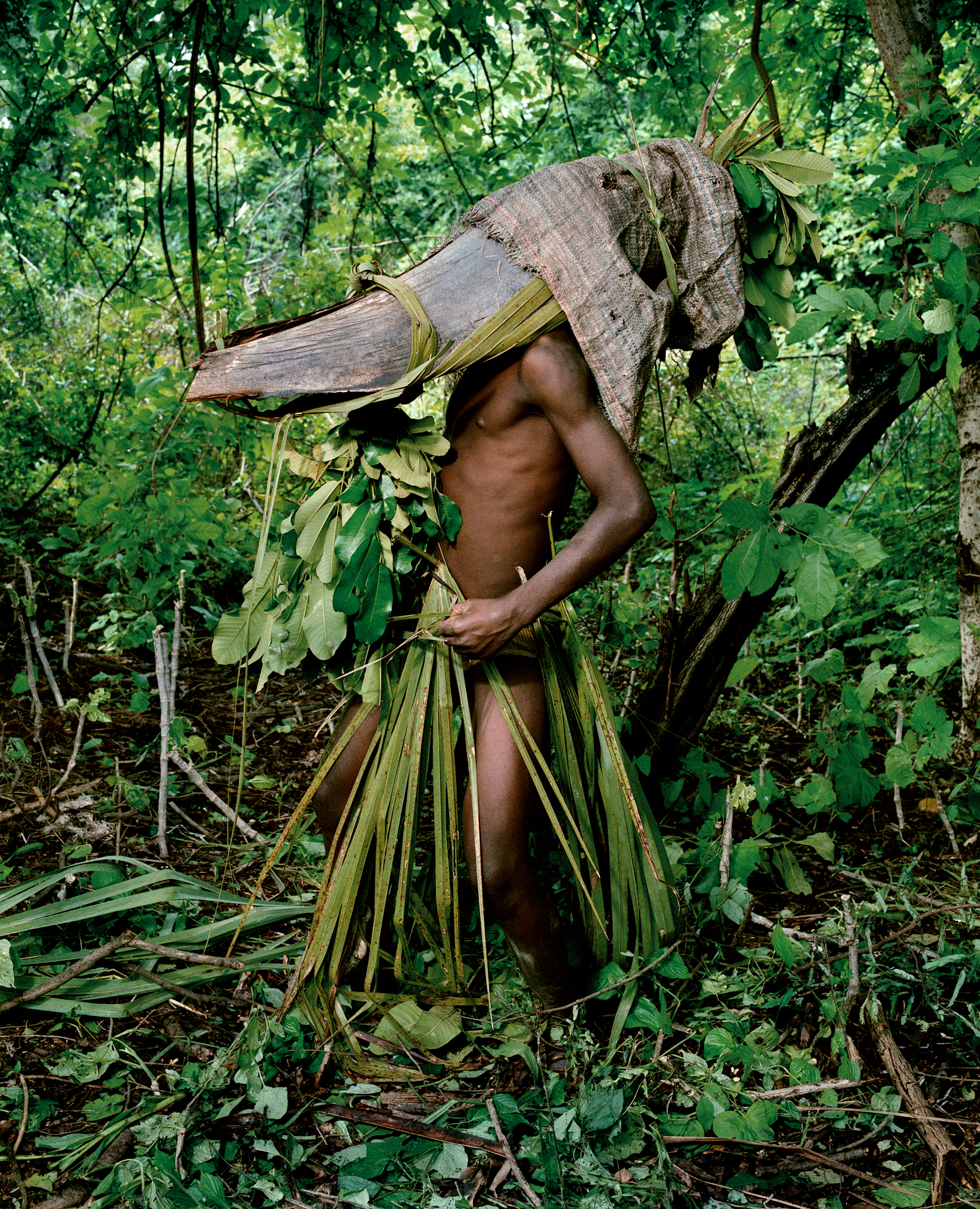
View a selection of imagery of the Nyau spirit masks engaging with their communities at puberty rites, funerals, and remembrance rituals. Kachindamoto Traditional Authority, Dedza, Malawi
Video - Nyau Dancers
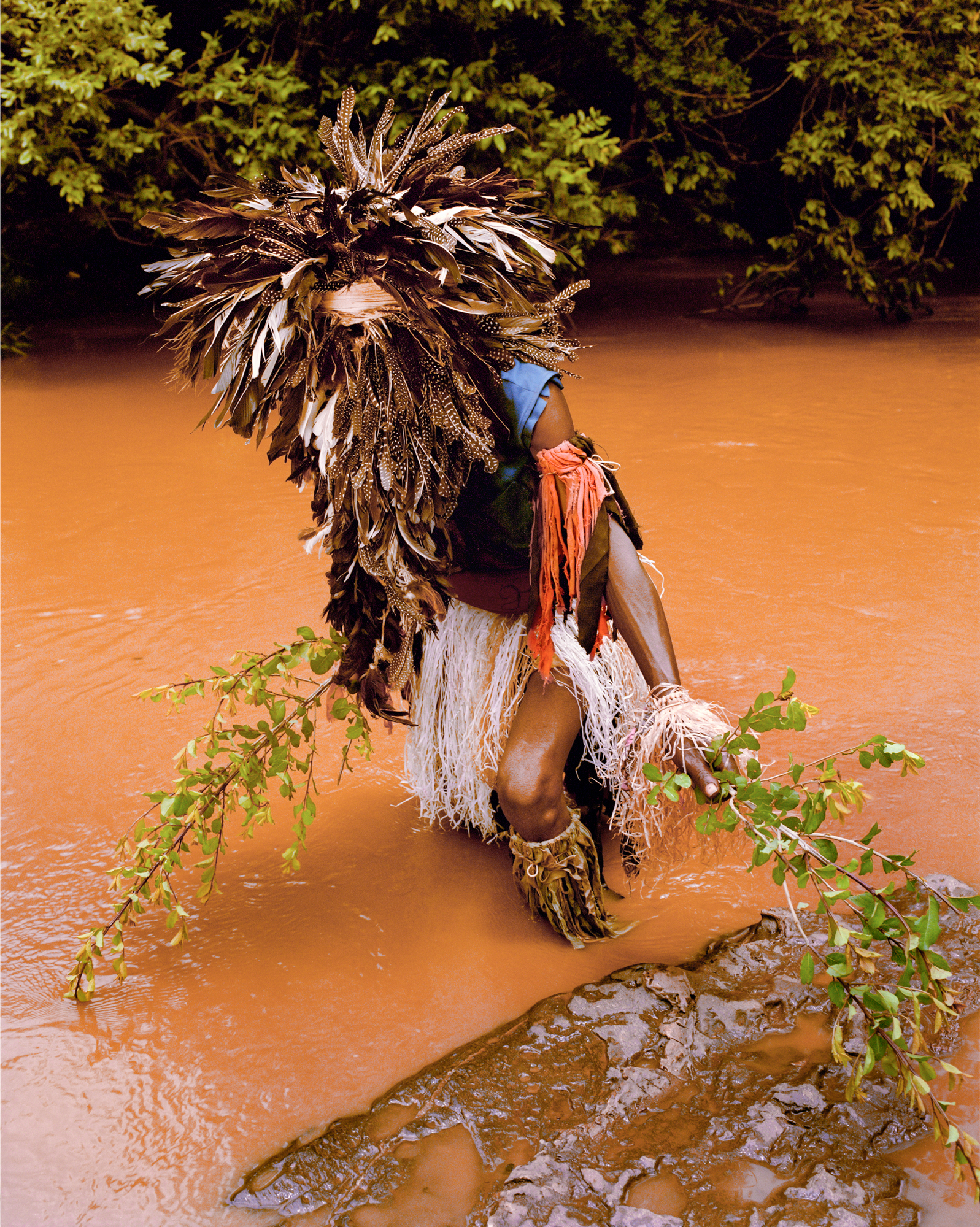
“Kapoli” / ‘to stand up from hoeing’ emerging from sacred pool. Kapoli's friendly appearance in the village announces the imminent performance of Gule Wamkulu/the Great Dance. Heyshott Farm, Zimbabwe 1996
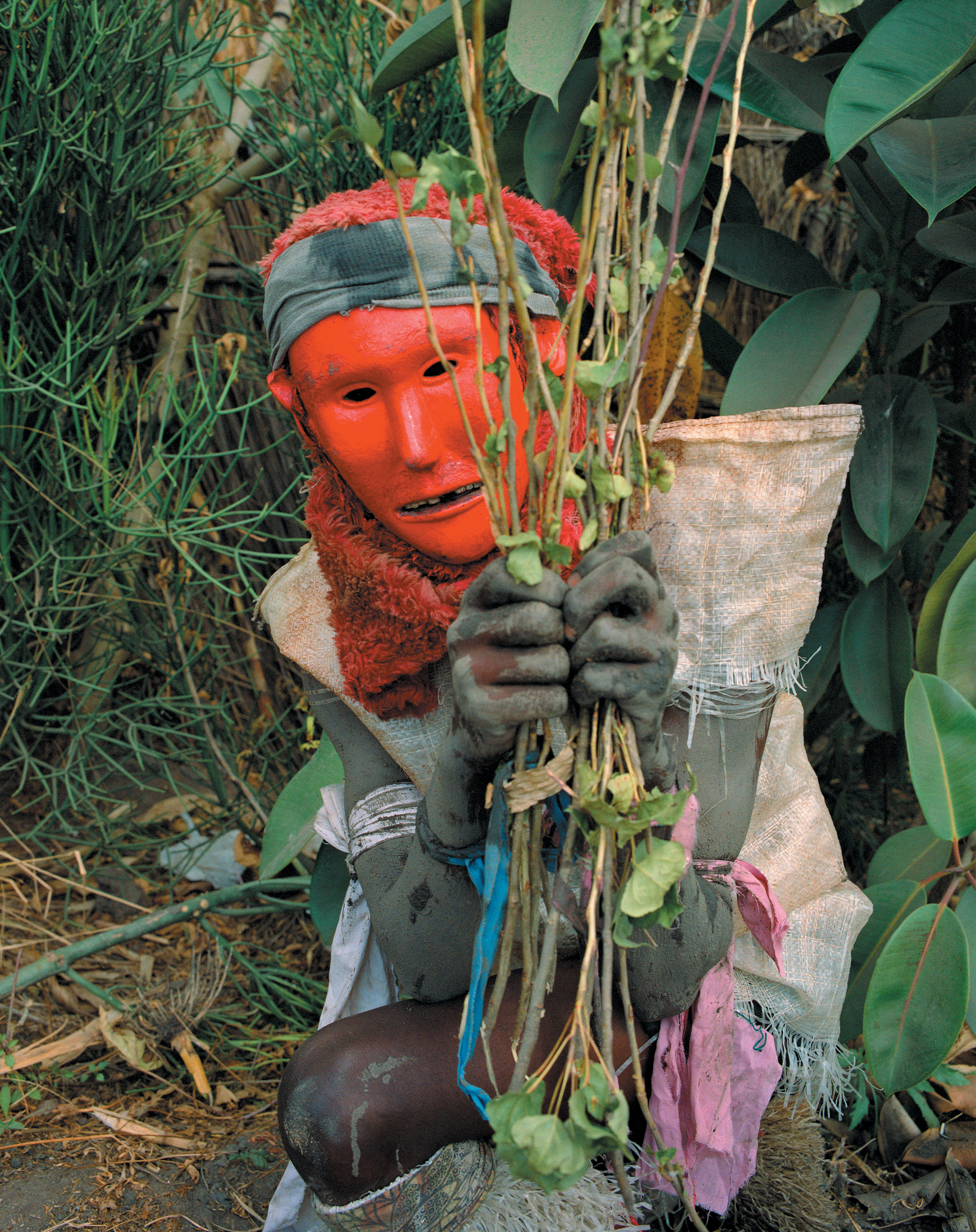
"Tidyenawo” / ‘let’s eat together’ Chatewa village, Kachindamoto District, Malawi 2000
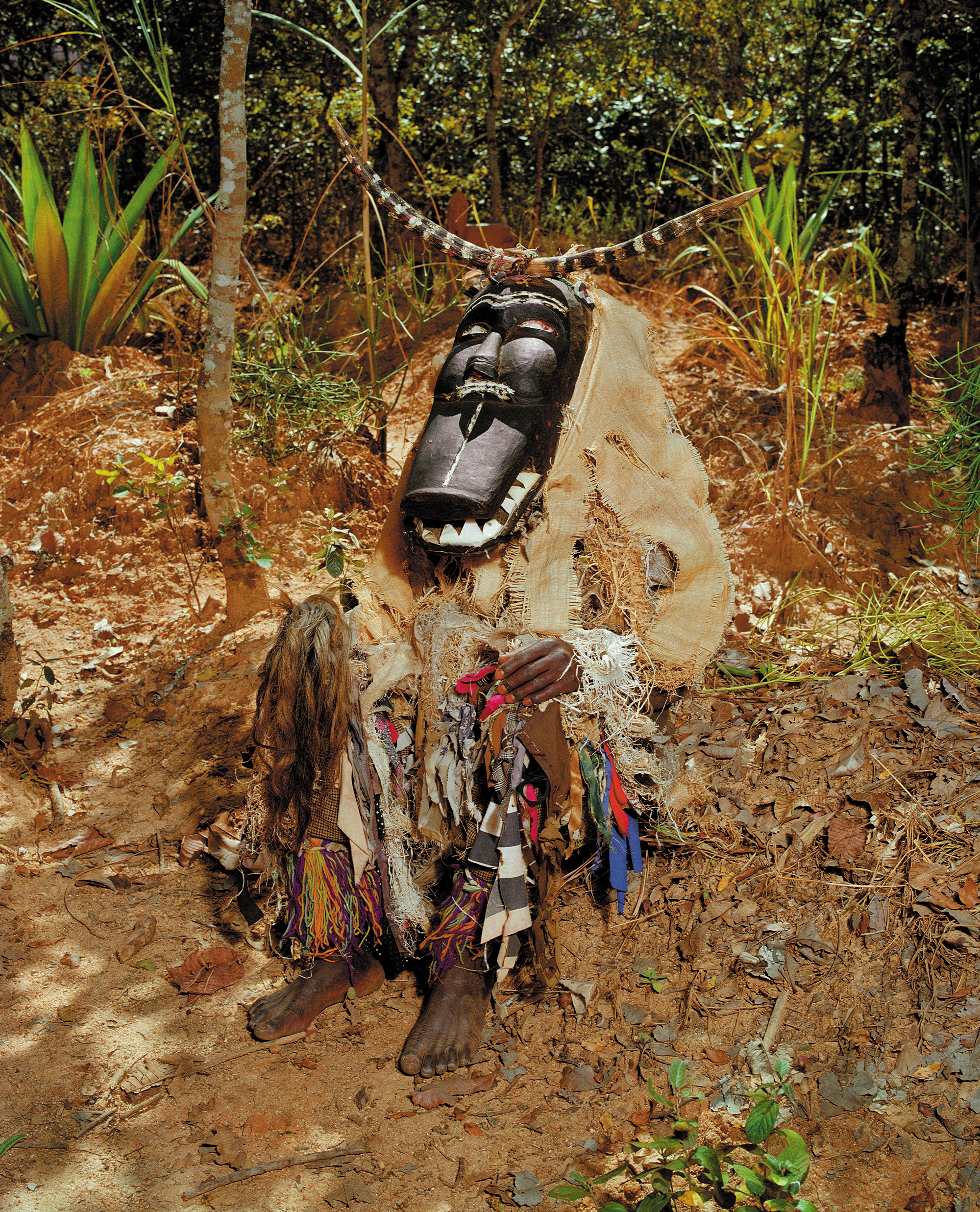
“Chimbano” / ‘the big trap’ A cross between a crocodile and a bull, Chimbano’s name derives from ‘kubana’ (to steal) and his fierce teeth ‘kupana’ (a trap). His blackened face symbolizes death, while his large horns indicate his power, but also his indulgences with sorcery. Chimbano courts death and misfortune upon the village by failing to observe the ritual ‘coolness’ of the sexual abstinence and morality surrounding burial and mourning rituals. Kudzoye village, Dedza District, Malawi 1999
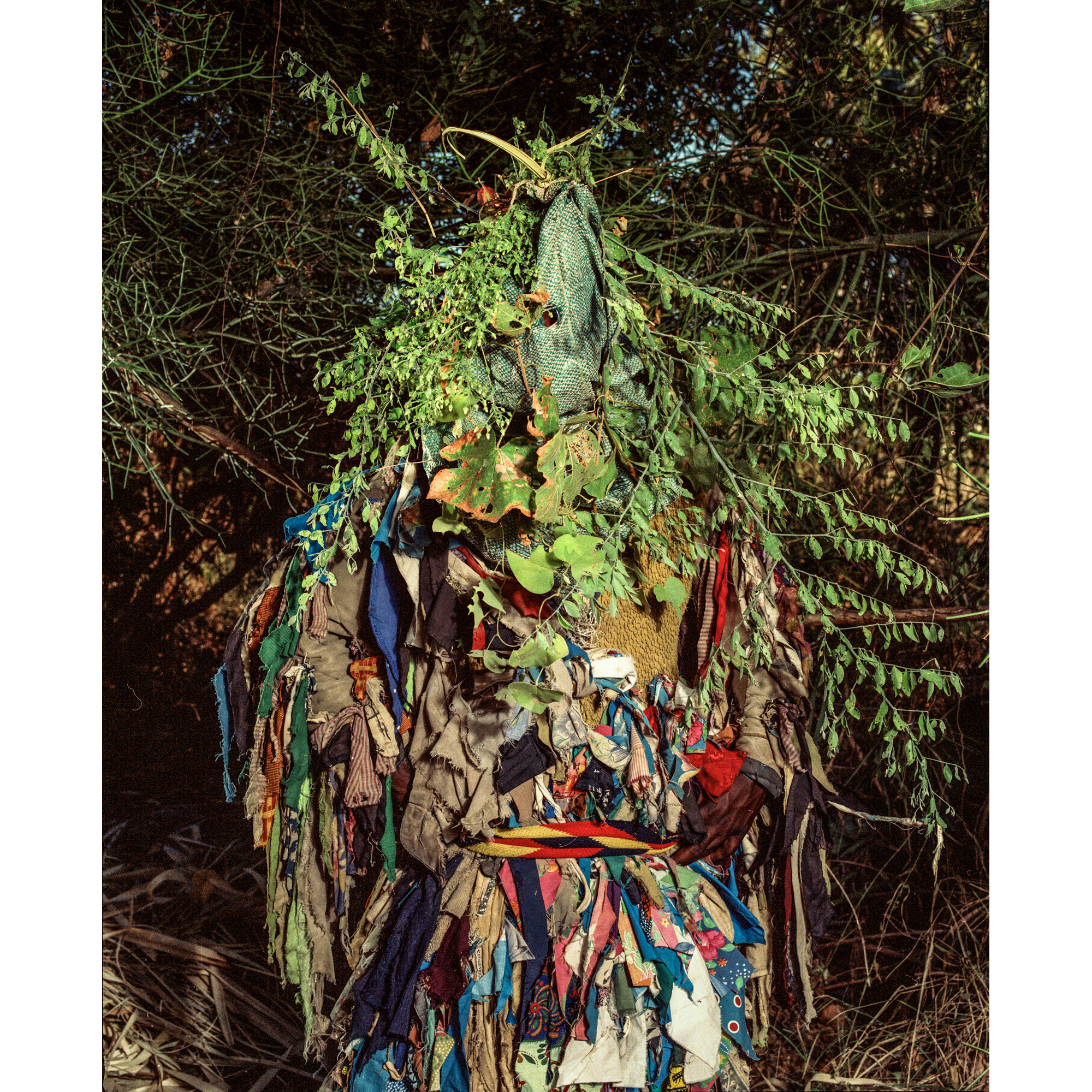
"Kanid Yamaluna" Galu Onenengi village, Dowa district, Malawi
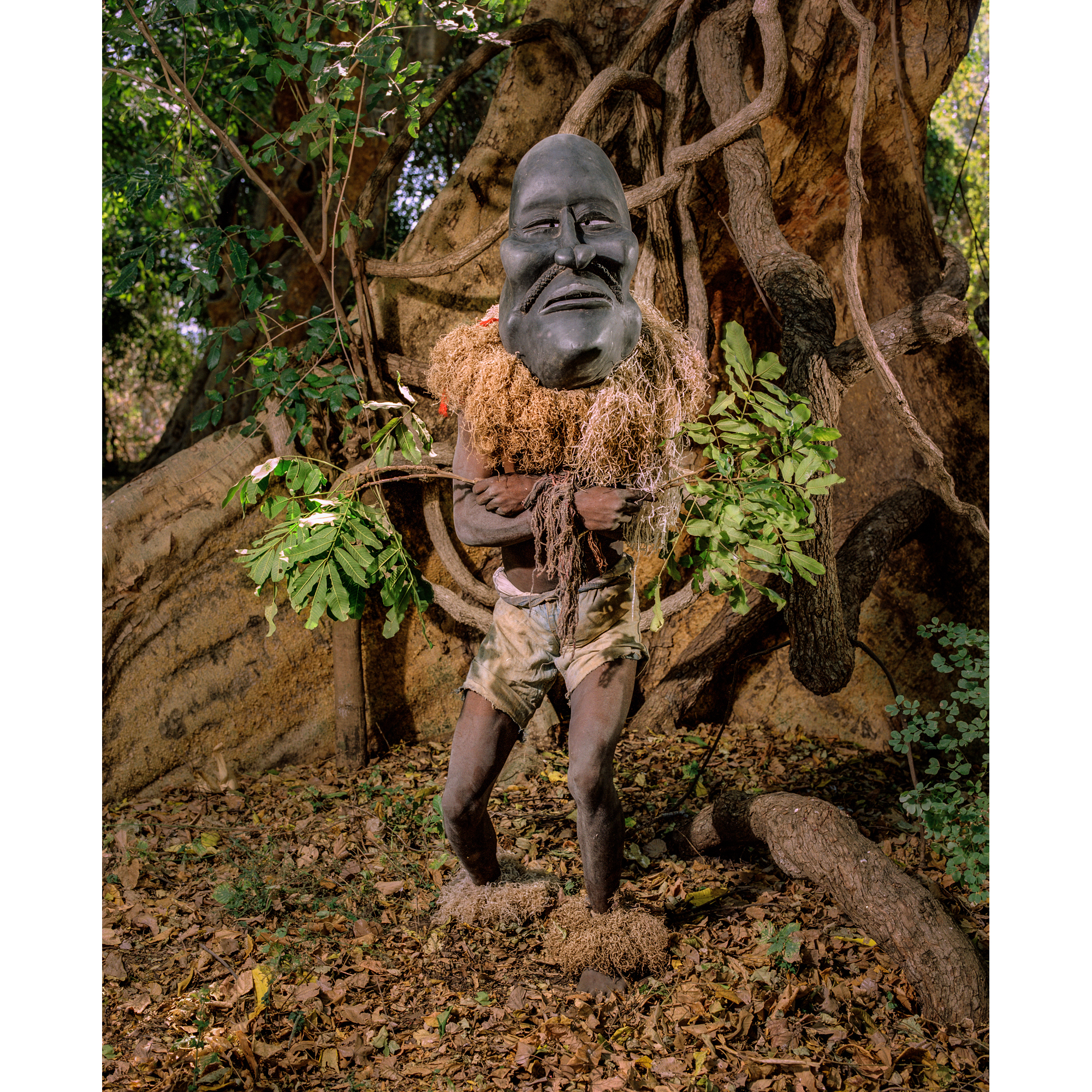
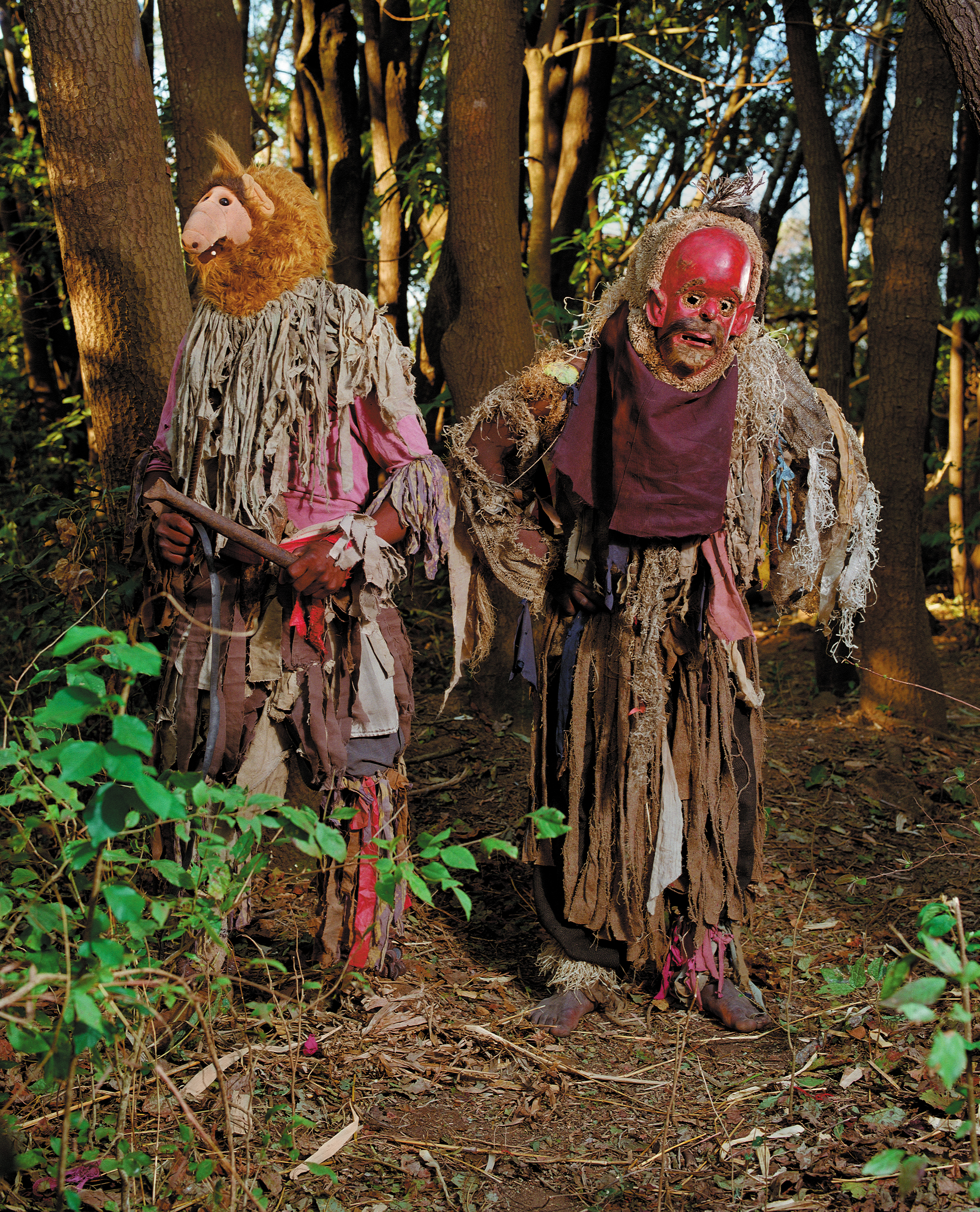
“Pedegu” / ‘the deaf orphan’ Pedegu is unable to provide for himself as he paid no attention (was deaf) to the teachings of his elders and now, orphaned and forlorn, is incompetent and impotent, loudly mocked by the village women. Kalindiza village, Kachindamoto District, Malawi 1999

“Ndapita ku maliro, nkhuku mutsekele” / ‘I went to the funeral, lock up the chicken’ Representing a toothless old man with bulging cheeks and walking stick, Ndapita… warns young people of the village to observe the "mwambo", the traditional rules of ritual coolness during the time of funeral rites, lest they create conditions of “ndulo”, a wasting sickness caused by ‘cutting’ the rules of culture and abstention from sexual activity during the burial period in order to allow the deceased a smooth transition into the ancestor World of the Dead. Lunguzi village, Kachindamoto District, Malawi 1999

"Apatakasi" / 'the Portuguese slaver' Apatakasi marks the onset of slavery for the Chewa people, at the same time the holes in his face represent the arrival of syphilis, brought to Africa from the New World. Hatcliffe, Harare, Zimbabwe 1997

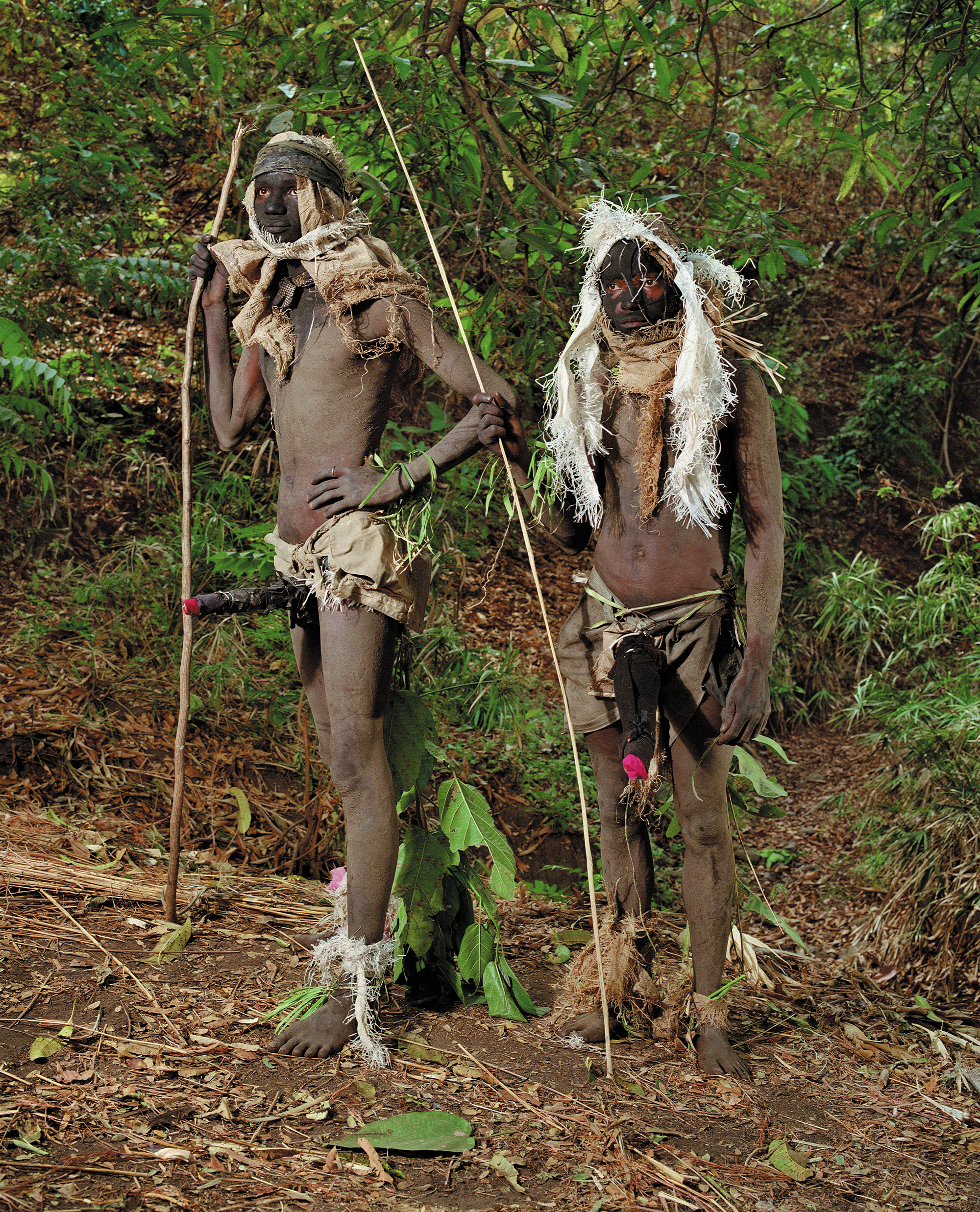
"Chintabwa" reinforces rules governing sexual relations, especially with menstruating women and the need for modesty and avoiding "ndulo". Tembetembe village, Kachindamoto, Malawi

"Kundola" / 'from Ndola'. As the Chewa response to external pressures, the masks of nyau also transform to reflect the impacts on Chewa culture. Kundola, tells the story of a young man returning from labour in the copper mines of Ndola, Zambia, but the protrusions on his face reveal his affliction with sexual disease. He has power and money, symbolized by his horns, but they are twisted, unhealthy. Formerly, Kundola was known as "Msakabeywa", the boastful hunter who returns not with "nyama" (meat), but only mice. Mthembanji village, Kachindamoto, Malawi

"Woiepa Sakwea" / 'born ugly must not be sad' To be born ugly is not an excuse to be unhappy or unpleasant. Harmony within the Chewa family household and village is essential. Kalindiza village, Kachindamoto, Malawi